
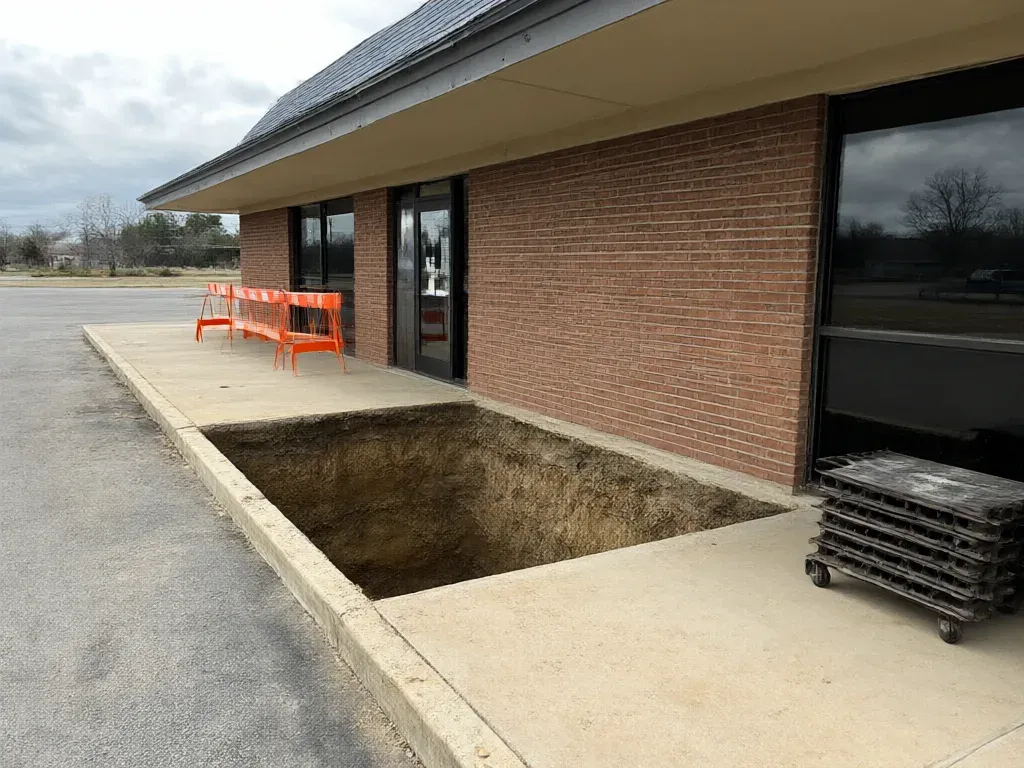
Commercial Foundation Repair in Garland, TX
Garland Superior Foundation Repair offers professional commercial foundation repair in Garland, TX for retail strip centers, offices, restaurants, churches, schools, warehouses and flex buildings, with 22 years of experience on expansive clay. We stabilize commercial slabs and grade beams with steel push piers, drilled bell-bottom piers and pressed concrete pilings, and we pair them with drainage correction, polyurethane foam floor leveling and under-slab tunneling. Every commercial job goes through an independent Texas-licensed engineer before we price it.
Commercial work is priced per project once the engineer has the loads. We schedule around business hours, work after hours or from the back of a building when a tenant can't close, and fence and cover excavations at the end of every day. You get a certificate of insurance showing general liability and workers' comp before we mobilize.
Get a FREE Estimate
Or call (972) 885-6239
Commercial Foundation Repair Methods
The engineer chooses the method from the building's loads and the soil. These are the tools we bring to it.
Steel Push Piers for Commercial Slabs
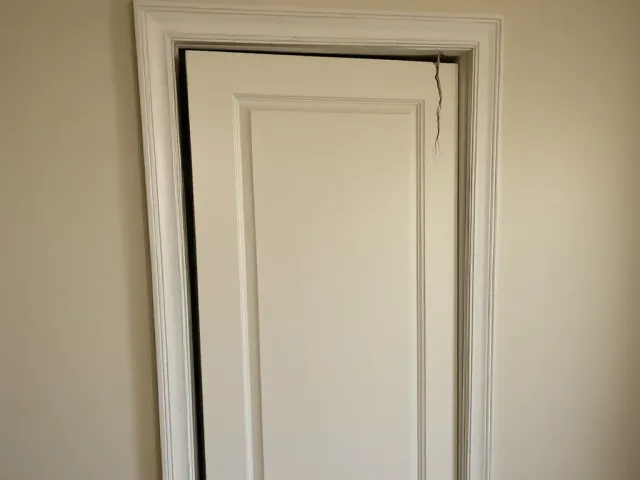
Each 3-inch galvanized steel pier is pushed until it carries a measured load, which gives the engineer a real number for every support on a heavy masonry wall or a long storefront beam. Steel push piers run $1,300 to $1,950 each, and they're our most common commercial method.
Drilled Bell-Bottom Piers for Commercial Buildings
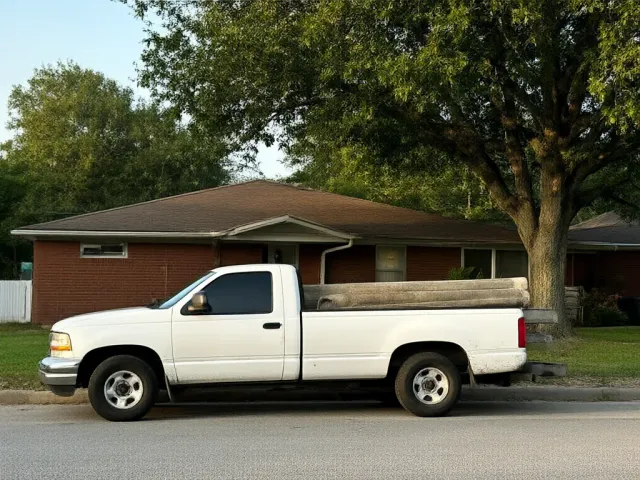
A 12-inch shaft drilled 10 to 13 feet deep with a 24-inch bell, four #4 rebar and 3,500 PSI concrete. Bell-bottoms resist uplift as well as settlement, which matters on buildings where the clay heaves under a wet section of slab.
Pressed Concrete Pilings for Light Commercial
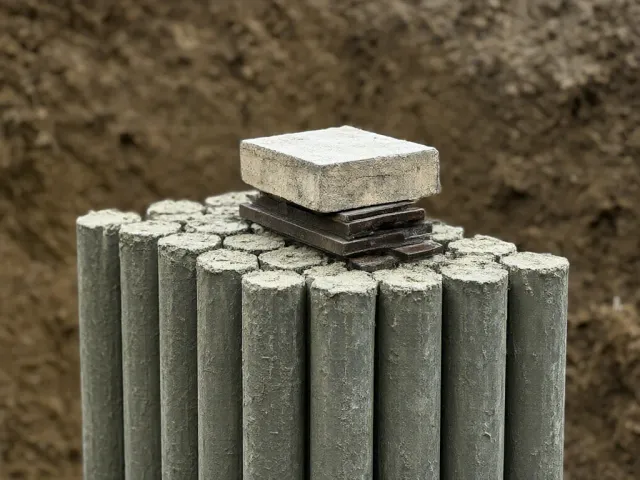
Single-story offices, small retail and converted houses used as businesses often carry loads close to a house. Pressed pilings, 6 by 12-inch cylinders on a steel cable pressed to refusal, are a good fit there and cost less than steel.
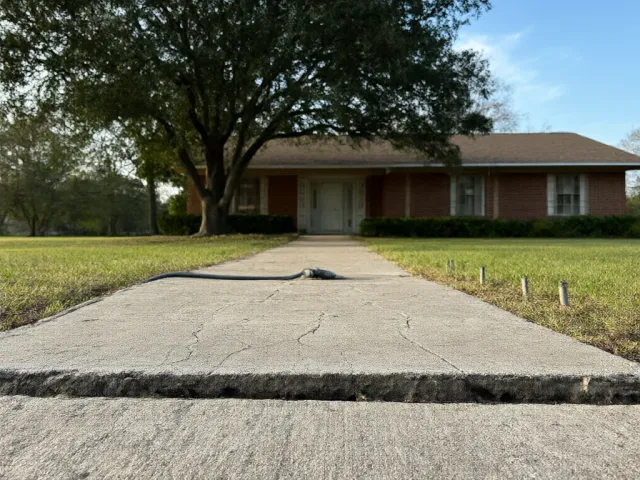
Commercial Floor Slab Leveling
Interior floor panels in warehouses and flex spaces sink at joints and along old trenches. Polyurethane foam lifts them through 5/8 inch holes, and forklifts can roll on the panel again in about 15 minutes.
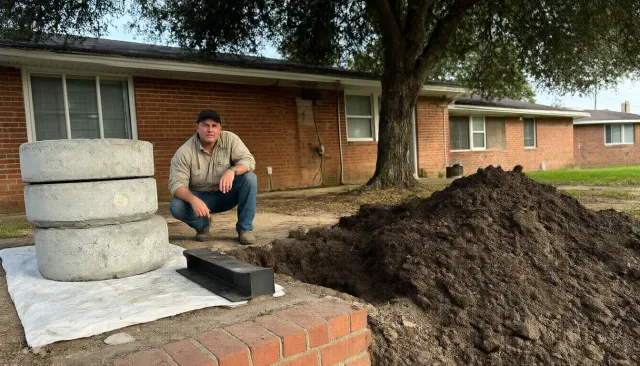
Commercial Drainage and Under-Slab Tunneling
Roof drains, parking lot runoff and irrigated landscape islands put water against commercial slabs. We correct grade, extend roof drains and tunnel to under-slab plumbing in restaurants and restrooms without closing the floor above.
Commercial Buildings We Repair
Most of our commercial work in Garland and east Dallas County is low-rise: brick and stone strip centers with a row of storefronts, single-story office buildings, churches with large fellowship halls, small schools and daycares, restaurants and tilt-wall or metal flex buildings with a slab floor.
They share a problem with the houses around them. They sit on the same Blackland Prairie clay, and their slabs move the same way, only over much longer spans. A 1970s strip center can have one end that dropped while the middle heaved, and every tenant in between has a door that sticks.
Commercial doesn't always mean big. A converted house used as a dental or insurance office, a single-bay auto shop or a small church annex gets the same engineer review and paperwork as a strip center, sized to the building.
Keeping a Business Open During Foundation Repair
We plan the work around the building, not the other way around. Exterior pier holes go in along the back or side walls first. Storefront work gets scheduled for slow hours, early mornings or weekends, and we keep one entrance clear at all times. For churches and schools, we work around services and the school calendar.
Every excavation is fenced or plated at the end of the day. Dirt goes on tarps or into a roll-off, not across the parking lot. When a slab cut is needed inside, we isolate the area with plastic sheeting and run dust control so the rest of the space can stay open.
Tenants get a schedule ahead of time, including the window when water is off for the plumbing static test. We can coordinate with a property manager or deal with each tenant directly, whichever works for the owner.
What Moves Commercial Slabs in East Dallas County
Water does most of the damage. A roof drain that empties at the corner of a building dumps a whole roof section's worth of water against the beam in one storm. Parking lots shed water toward the storefront. Landscape islands with sprinklers on a timer keep one strip of clay soaked while the rest of the slab dries out in August.
Trees planted in parking lot islands and along property lines grow into the same problem we see at houses. Older buildings also carry original cast iron drains under restrooms and kitchens, and a leak there soaks the clay under the busiest part of the floor. We check all of it before the engineer finalizes a pier plan.
Documentation for Owners, Lenders and Insurers
Commercial owners need paper. Every job comes with the engineer's sealed scope and post-repair letter, the permit copy where the city requires one, elevation readings before and after, photos, a log of pier depths and the warranty paperwork. If the building sells, the lifetime pier warranty transfers to the new owner at no charge, as long as they register within 30 days of closing.
We can also provide the elevation map and engineer findings to an insurer or a lender's inspector. Whether a claim is covered or a loan closes isn't ours to decide, but the documentation they ask for is ready when they ask. For multi-tenant buildings, we can break the invoice down by building section or by suite, so costs can be allocated under the leases.
Get a Commercial Foundation Assessment
Call (972) 885-6239 to set up a site walk. We'll read the floors, check drainage and plumbing, and bring in the engineer so you get a pier plan and a price you can take to ownership.