
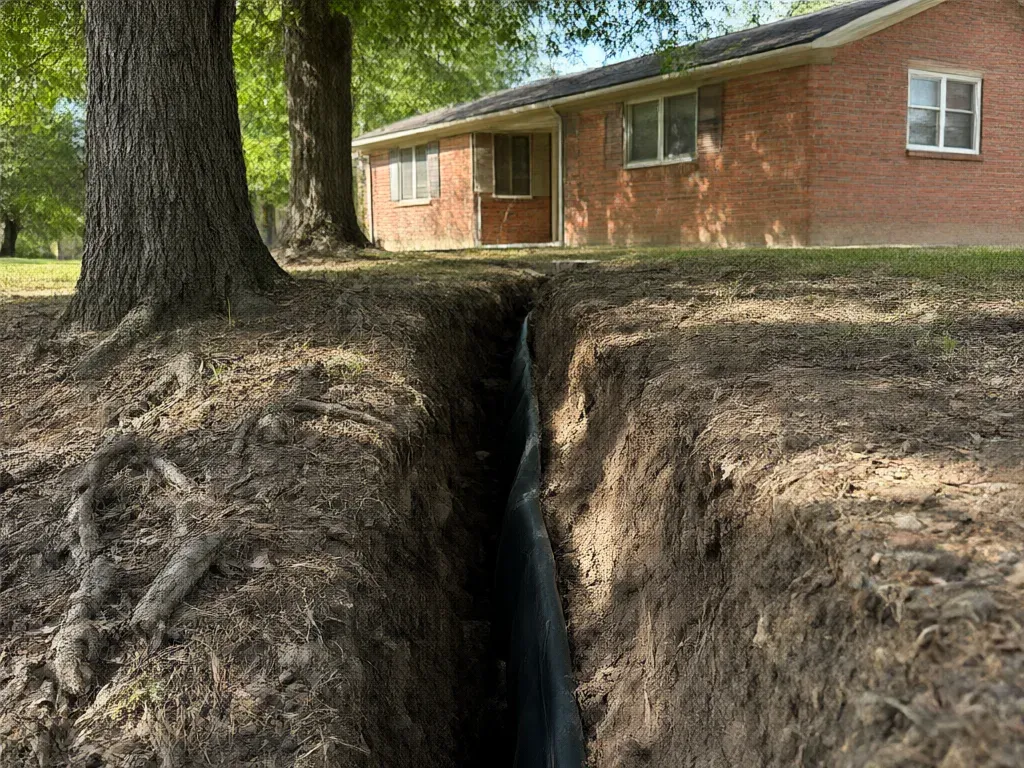
Root Barrier Installation in Garland, TX
Garland Superior Foundation Repair offers professional root barrier installation in Garland, TX, with 22 years of working around the trees that pull water from under slab foundations. We trench between the tree and the house, cut the roots cleanly and set a 60-mil HDPE root barrier 48 inches deep to keep them from growing back toward the grade beam. Root barriers run $30 to $52 per linear foot and carry a 5-year workmanship warranty.
A root barrier is usually how you keep a mature tree and a level house at the same time. We often pair it with pressed pilings on the corner the tree has already pulled down, plus a soil watering plan so the clay along the slab doesn't swing as hard between wet and dry months.
Get a FREE Estimate
Or call (972) 885-6239
Root Barrier Installation Options
Most jobs are a single run along one side of the house. Some need a barrier and a lift, or a barrier at planting time.
HDPE Root Barrier Panels
Rigid 60-mil high-density polyethylene sheet set vertically in a trench 48 inches deep, with overlapped and sealed seams. Roots that reach it turn down or sideways instead of crossing under the slab. It doesn't rot, and it doesn't break down in the soil.
Root Barrier Trenching and Root Pruning
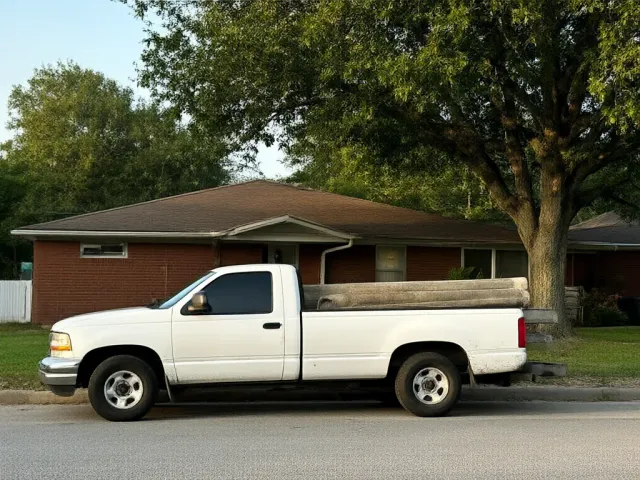
We dig the trench by machine where there's room and by hand near the tree, then cut every root that crosses it with a saw or loppers. Clean cuts heal. Roots torn and shredded by a chain trencher are harder on the tree.
Root Barriers With Pressed Pilings
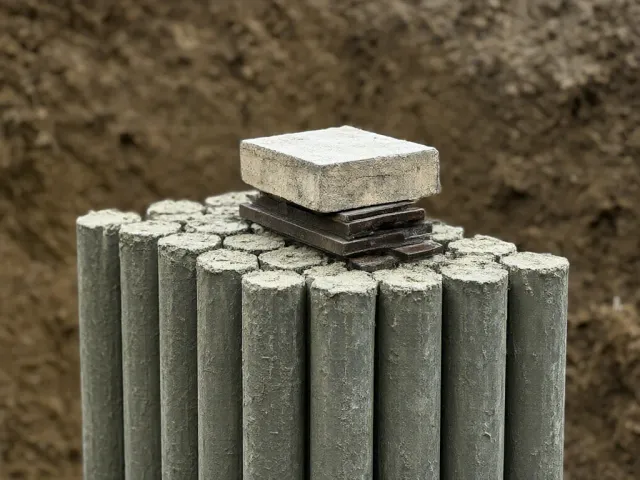
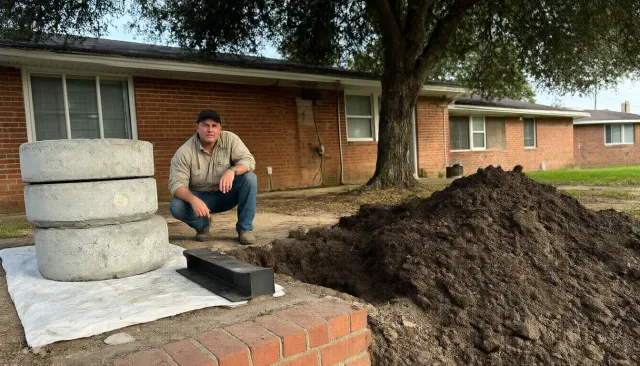
If the tree has already pulled a corner down, the barrier stops it getting worse but won't lift the house back. We press pilings on that corner, lift it, and set the barrier in the same visit so the dirt only gets moved once.
Root Barriers for Driveways and Sidewalks
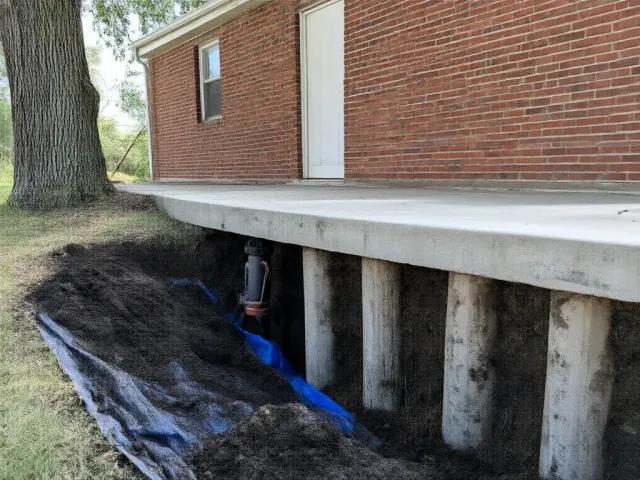
Roots that heave a driveway panel or crack a sidewalk can be cut back and blocked the same way. We set the barrier along the edge of the concrete, then lift or replace the panel the roots damaged.
Root Barriers for New Trees
Planting a shade tree near the house? A short barrier set at planting time costs a lot less than a full run later and keeps the roots heading away from the slab from the start.
Trees That Cause the Most Foundation Trouble
In Garland it's mostly the big, old shade trees. Pecans, live oaks, cedar elms and hackberries planted when the subdivisions were new now tower over the roofs, and their roots run well past the drip line, often under the slab. Cottonwoods and willows are thirsty trees that cause trouble out of proportion to their size. Hackberries and cedar elms also seed themselves along fence lines, and a volunteer tree a few feet from the slab can do more harm than the big pecan in the middle of the yard.
The damage happens in dry months. A large tree pulls water from the clay along one side of the house, the clay shrinks, and that side of the slab drops. Then the rain comes back, the clay swells, and the crack over the door closes up. Over years, the shrink side drops a little more each summer.
Should You Cut the Tree Down?
Not usually. A mature tree adds shade, value and lower summer power bills, and taking it out can cause its own foundation problem. Clay that's been kept dry by the tree for decades soaks up water once the tree is gone and swells, which can push the slab up on that side.
Removal makes sense when the tree is dead, leaning toward the house or growing right against the beam with no room for a trench. For tree health questions, talk to a certified arborist. We'll tell you what the tree is doing to the foundation, and they can tell you what a barrier and root cut will do to the tree.
How Close Is Too Close
A rough rule we use on site: if the canopy reaches over your roof, the roots almost certainly reach under your slab. A big tree close enough to shade the wall is a classic barrier job. One out in the middle of the yard is usually less of a concern, unless the soil cracks you see in August run right up to the beam.
For new planting, keep fast-growing shade trees well away from the house. A tree planted 8 feet from the slab looks harmless for years and becomes a foundation problem in about 15.
Sprinkler lines and utilities share that same strip of yard, so we call 811 at least two business days before trenching and find and flag sprinkler lines ourselves. If the tree is on a neighbor's side of the fence, we can usually set the barrier on your side of the property line without touching the tree, and we'll talk through the fence before we dig.
Signs a Tree Is Moving Your Foundation
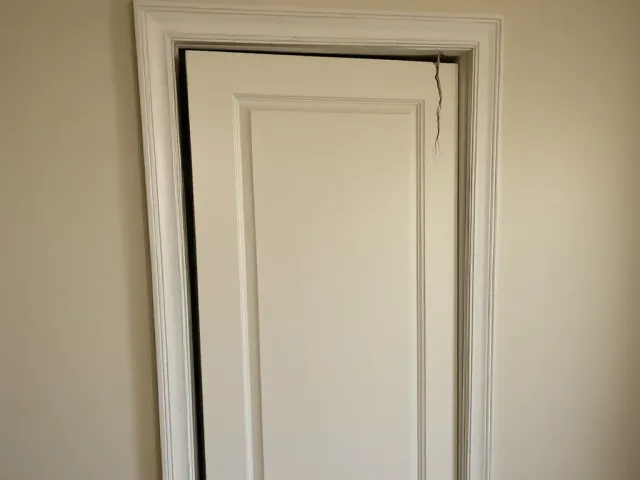
The cracks are on the tree side. Doors on that side of the house stick in late summer and swing freely by winter. Soil cracks in the yard are widest near the tree and the slab edge. You can see roots at the surface near the grade beam, or roots running under the edge of a driveway or walk.
On the elevation map, the low readings sit on the side closest to the tree, and they're worse after a dry summer than after a wet spring. When we see that pattern, a root barrier is almost always part of the recommendation, with or without pilings.
Keep the Tree and the Level Floor
Call (972) 885-6239 for a free inspection. We'll read the floors, check how far the roots reach and tell you whether a barrier alone will do it.