
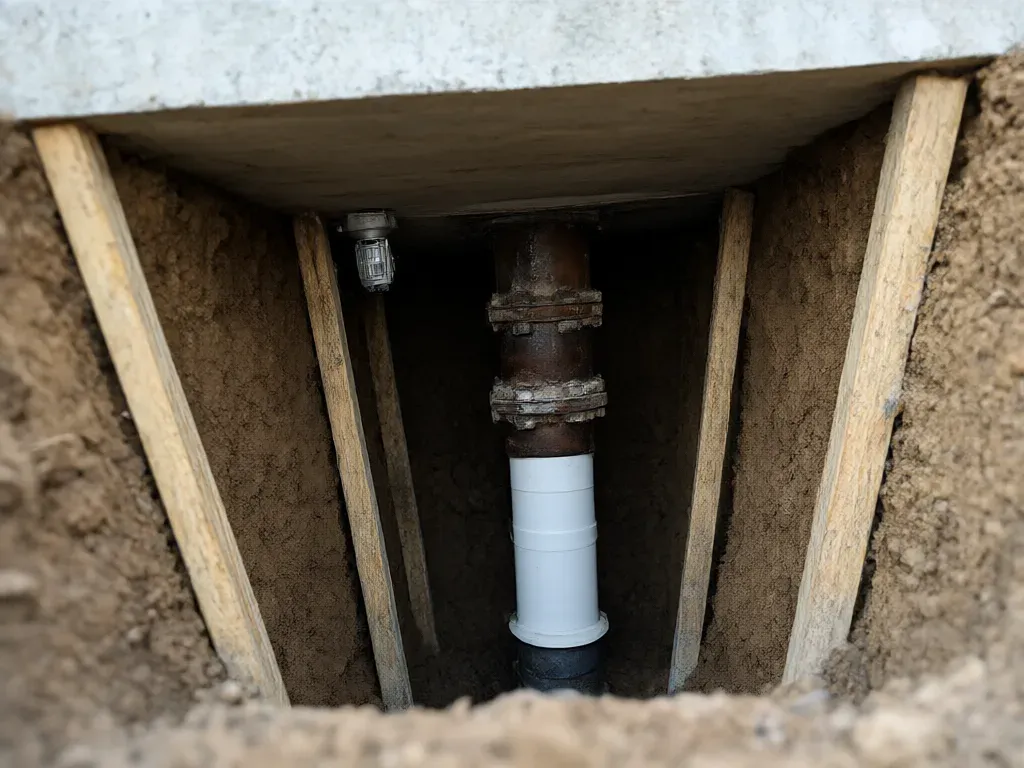
Under-Slab Plumbing Tunneling in Garland, TX
Garland Superior Foundation Repair offers professional under-slab plumbing tunneling in Garland, TX, with 22 years of digging under slab foundations. We hand-dig tunnels from outside the house to reach broken cast iron drains, slab leaks and failing sewer lines, so a licensed plumber can repair or replace the pipe without breaking up tile, hardwood or cabinets. Tunneling runs $165 to $250 per linear foot, including backfill and compaction.
Most bathroom drain tunnels run 12 to 28 feet and take 2 to 4 days. The house stays livable while we dig, and the flooring stays where it is. When a tunnel passes under a spot that needs support, we can set interior pilings from inside it on the same visit.
Get a FREE Estimate
Or call (972) 885-6239
Under-Slab Plumbing Tunneling Services
We dig the tunnel and close it back up. A licensed plumber does the pipe work in between.
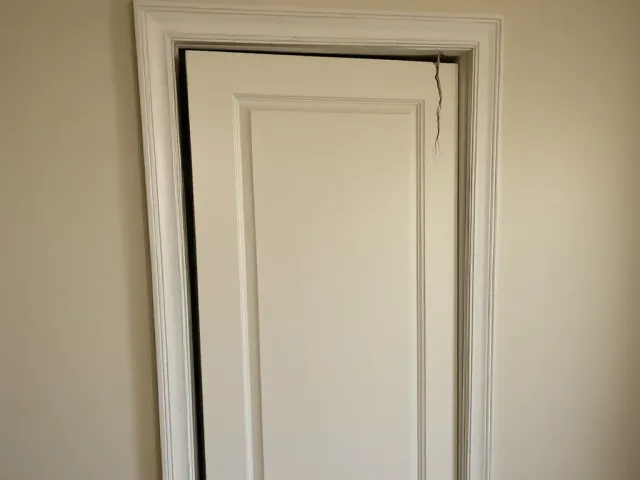
Tunneling for Cast Iron Drain Replacement
Original cast iron drains under 1960s and 1970s slabs crack, scale and belly over time. A tunnel lets the plumber cut out the bad run and replace it with PVC at the right slope, from the fixture all the way to where the line exits the house.
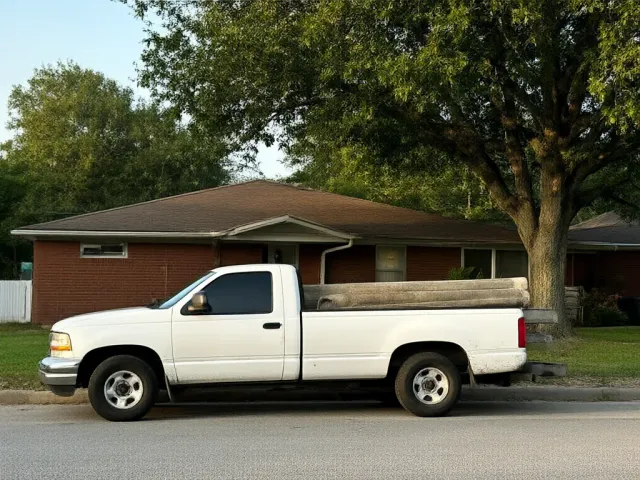
Tunneling for Slab Leak Repair
When a static test fails or a camera finds a break, we tunnel to that spot only. For water supply leaks, rerouting the line through the attic is sometimes cheaper than any tunnel, and the plumber will tell you when that's the better call.
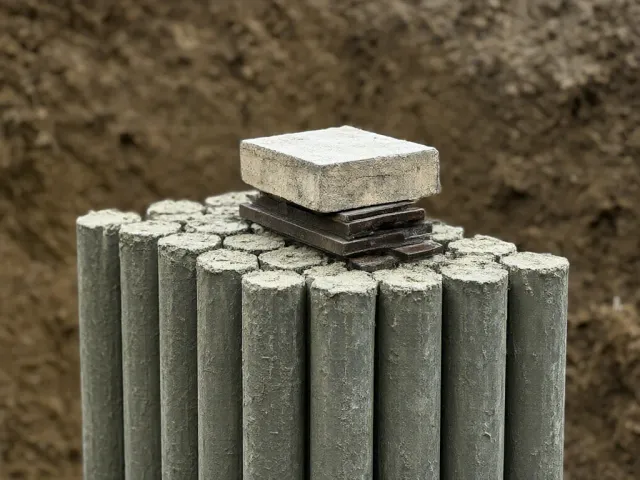
Tunneling for Sewer Line Replacement Under the House
The main line from the house to the yard cleanout can fail right under the grade beam. We tunnel along its route so the whole run can be replaced in one piece instead of patched in sections.
Tunneling for Interior Foundation Pilings
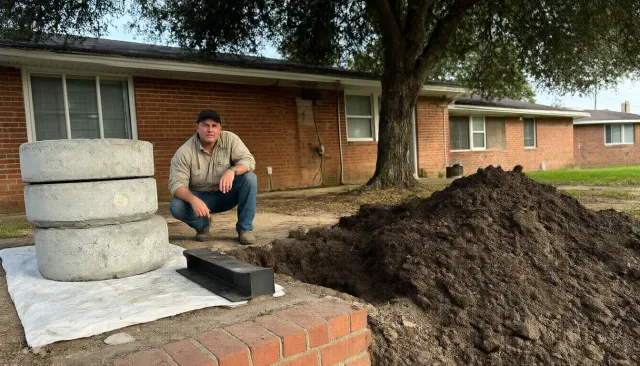
Interior pilings don't always need a slab cut. If the drop is in the middle of the house, a tunnel gets us under the beam or the interior footing without touching the floor, and on post-tensioned slabs it keeps us clear of the tendons.
Tunnel Backfill and Compaction
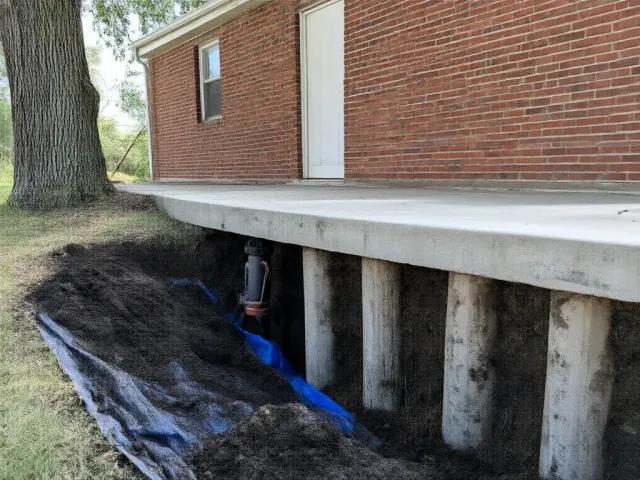
A tunnel is only as good as how it's filled. We backfill in lifts and compact each one with a mechanical tamper, so the soil under the slab supports it again. Tunnel backfill carries a 1-year warranty against fill settlement.
Tunneling vs Breaking the Slab
Breaking the slab means jackhammering through the floor inside the house: pulling tile, sometimes a tub or a vanity, cutting rebar or post-tension tendons, then patching concrete and replacing all the flooring on top. You're living around a hole in the bathroom for days, and matching old tile is often impossible.
Tunneling costs $165 to $250 per linear foot, and a typical bathroom drain needs 12 to 28 feet. Once you add up flooring removal, tile replacement, a plumber's time working in a cramped cut and the days without a bathroom, a tunnel usually comes out about even or cheaper. It also leaves the slab itself uncut.
It isn't always the better choice. If the break is a few feet inside an exterior wall under carpet, or in a garage slab, a small cut can cost less than an access pit and a tunnel. We'll price both when it's close.
How an Under-Slab Tunnel Gets Dug
We start with an access pit outside the grade beam, as close to the plumbing as we can get. From there the crew hand-digs under the slab, about 2 feet wide by 2 to 3 feet tall, following the line to the problem spot. Spoil comes out by bucket and wheelbarrow and gets piled on tarps, not your lawn.
Shoring goes in where the clay is loose, and we keep work lights and fresh air moving in the tunnel. We call 811 at least two business days before opening the access pit. Once the pipe is exposed, the plumber repairs or replaces it and runs a test before anything gets covered.
Inside, you'll barely know we're there. Water stays on except while the plumber has the line open and during the test, and most families keep using every bathroom but the one being repaired. When the tunnel is closed, we regrade the access pit, replant any shrubs we moved and haul the extra spoil away.
Signs You Have an Under-Slab Drain Problem
Drains that run slow in more than one fixture, a sewer smell in a bathroom with no obvious cause, or a toilet that gurgles when the tub drains can all mean a broken or bellied line under the slab. So can a failed static test during a foundation inspection.
The foundation gives clues too. A hump in the floor, especially near a bathroom or kitchen, often means water from a leaking drain has soaked and swelled the clay. Damp carpet or a musty baseboard where there's no plumbing above the floor is another. For supply leaks, a water bill that jumps with no change in use, or the sound of running water with every tap off, is the usual giveaway. If the house has had foundation work before, tell us. Lifting a house can stress old drains, and a leak that starts after a past repair is worth checking for.
Why the Backfill Matters
Loose fill settles. If a tunnel is shoveled full and left, the soil under that part of the slab sinks over the next year, and you end up with a new low spot along the exact line of the tunnel.
Compacting in lifts takes longer, and it's the reason our tunnel backfill carries a 1-year warranty against fill settlement. If you're comparing bids, ask every contractor how they backfill. A quick answer like we fill it back in is worth a follow-up question.
Reach the Pipe, Not Your Floors
Call (972) 885-6239 and ask for a tunneling quote. We'll find where the plumbing runs, measure the tunnel and price it against breaking the slab, so you can pick the cheaper fix.